Top gardeners for Praed Street gardens Paddington
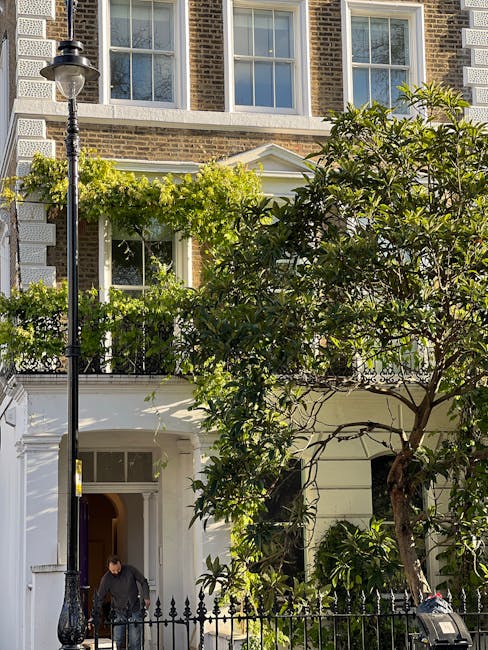
If you live, work, or manage a property near Praed Street, you already know the garden question can be oddly tricky. Space is tight. Access may be awkward. Light levels change through the day. And yet the right outdoor space can make a flat, townhouse, or commercial frontage feel calmer, greener, and far more welcoming. That is exactly where Top gardeners for Praed Street gardens Paddington come in: not just to "tidy things up", but to keep a small London garden healthy, presentable, and easier to live with all year round.
In this guide, we'll look at what makes a good local gardening service stand out, how the process usually works, what to ask before you book, and where people tend to go wrong. You'll also find a practical checklist, a comparison table, and a realistic example of what good garden care looks like in an area like Paddington. Simple enough, but worth doing properly.
Why Top gardeners for Praed Street gardens Paddington Matters
Praed Street sits in a part of London where outdoor space tends to work hard. It may be a compact courtyard, a planted terrace, a shared communal garden, or a frontage that needs to look smart every day. In places like this, gardening is rarely about big sweeping lawns and dramatic landscaping. It is about precision, consistency, and making the most of limited space without creating extra hassle.
That matters because a neglected garden in Paddington can spiral quickly. One windy week and there are leaves in every corner. A bit of shade and suddenly the lawn thins out or moss takes hold. Busy residents and landlords often notice the problem only when it becomes obvious to guests, tenants, or customers. That is the unglamorous truth of urban gardening: small issues show up fast.
The best local gardeners understand this rhythm. They know the difference between a decorative border that needs light seasonal pruning and a planter that needs a proper soil refresh. They also know how London weather, pollution, shade from tall buildings, and constrained access can affect plant health. The result is less guesswork and more reliable upkeep.
Expert summary: The strongest gardening support in Praed Street is not the flashiest. It is the service that keeps the space looking tidy, alive, and easy to maintain, without overcomplicating things or recommending work you do not actually need.
If you are comparing providers, it helps to understand the wider service picture too. A solid company will usually set out its wider approach in a clear services overview, and you can often learn a lot about reliability, values, and working style from the about us page. That is not a sales trick. It is just common sense.
How Top gardeners for Praed Street gardens Paddington Works
In practical terms, good gardening support starts with an assessment. That might be a quick call, a message, or a site visit, depending on the job. The gardener looks at sunlight, plant condition, access, current maintenance level, and what outcome you want. A one-off tidy-up is very different from ongoing care, and the better teams make that distinction early.
For example, a small courtyard near Praed Street might need light pruning, weed removal, container feeding, and a bit of reshaping. A communal space may need regular mowing, hedge care, and seasonal planting. A commercial property might need both visual presentation and strict scheduling, because it has to look presentable on specific days. Different job, different tempo.
There is usually then a plan: what will be done, how often, what materials might be needed, and what is included. In a decent setup, pricing is explained plainly, and expectations are set before the first cut is made. If the work is more specialised, like tree-related tasks or major redesign, the gardener should say so clearly rather than pretending every job is the same. To be fair, that kind of honesty saves everyone time.
Many people also want reassurance on practical matters: payments, paperwork, insurance, and safety. Those are not boring details. They are the difference between a smooth experience and a messy one. A professional outfit should be transparent about pricing and quotes, clear on payment and security, and easy to understand on insurance and safety. That is the stuff that helps you relax a little.
Key Benefits and Practical Advantages
Good garden care delivers more than a neat appearance. In a place like Paddington, where many gardens are compact and highly visible, the right service can have a noticeable effect on day-to-day living. Here are the biggest advantages.
- Better first impressions: A cared-for garden changes how a home or building feels the moment someone arrives.
- Healthier plants: Regular maintenance means fewer preventable problems with pests, disease, drying out, or overgrowth.
- Less stress: Instead of handling pruning and clear-up in a rush, you know the work is under control.
- Smarter use of small spaces: Skilled gardeners can make a narrow patio or shaded courtyard feel balanced and intentional.
- More predictable costs: Ongoing maintenance is often easier to budget for than emergency fixes after things have gone a bit wild.
- Better safety: Slippery paths, blocked access, and unstable planters are all easier to manage before they become an issue.
There is also a subtler benefit: pride. A clean, healthy garden changes how you use the space. You sit outside more. You notice the plants. You stop seeing the garden as "one more job" and start seeing it as part of the home. That sounds small, maybe, but it really is not.
And if sustainability matters to you, ask how green waste is handled and whether the team works with sensible recycling habits. Some providers make this part of their service, and it is worth checking the detail on their recycling and sustainability approach.
Who This Is For and When It Makes Sense
Not everyone needs the same type of gardening support. Some people need a monthly maintenance visit. Others want a spring reset and then they manage the rest themselves. The right choice depends on how much time, energy, and confidence you have.
This service is usually a strong fit for:
- Homeowners with small front or rear gardens in Paddington
- Tenants who need an outdoor space kept tidy without big redesign work
- Landlords wanting a property to stay presentable between lets
- Managing agents looking after shared gardens, entrances, or planted courtyards
- Small businesses with external planting that affects customer perception
- Busy households that want the garden under control, not another weekend burden
It also makes sense after seasonal changes. Early spring is often when people notice dead growth, patchy soil, or winter damage. Late summer can expose drought stress and overgrowth. Autumn tends to bring leaf build-up, and in winter the garden's structure becomes much more obvious. One glance out of the window and, yes, the whole thing tells on itself.
There are times when a gardener is not the right first call. If a tree looks unsafe, if there is major drainage trouble, or if a retaining wall is failing, you need the right specialist for that issue. Good gardeners should be comfortable saying, "This is beyond routine maintenance." That is a positive sign, not a weakness.
Step-by-Step Guidance
If you are trying to choose the right garden service around Praed Street, this is the simplest way to approach it without overthinking the whole thing.
- Define the real problem. Is it weeds, overgrowth, poor planting, seasonal maintenance, or a garden that never quite looks finished?
- Decide how often you need help. One-off, monthly, fortnightly, or seasonal support each serves a different need.
- Check what is included. Some quotes cover only labour; others include waste removal, basic materials, or follow-up visits.
- Ask about access. Narrow passageways, shared entrances, parking limits, and timing restrictions can all affect the job.
- Look for proof of professionalism. A proper company should be clear about policies, safety, and the way it works.
- Compare like with like. Two quotes can look similar until you notice one includes cleanup and the other does not.
- Book the first visit and review the result. Did the garden feel healthier, tidier, and easier to maintain afterwards?
The best results usually come from starting modestly. A tidy-up, a reset, and a maintenance rhythm. That is often better than trying to redesign everything in one go. Gardens are living spaces, after all. They respond better to steady care than to dramatic panic.
If you want a broader view of how a company handles its work, service scope, and customer journey, a simple visit to the main services overview can be useful before you make contact.
Expert Tips for Better Results
Here is where a few small choices make a surprisingly big difference. These are the things experienced gardeners tend to think about automatically, even if clients do not always spot them.
- Respect the light. In London, gardens can be shaded by adjacent buildings for most of the day. Choose plants that suit the actual conditions, not the dream conditions.
- Use structure in small spaces. Pots, climbers, clipped shrubs, and neat edges can make a tiny garden feel deliberate rather than crowded.
- Do not overplant. It is tempting to squeeze in more greenery, but congestion leads to awkward maintenance and poorer airflow.
- Plan for all seasons. A garden that looks good in June but bare in November is only doing half the job.
- Ask for routine, not drama. A good gardener should leave you with a space that is easier to maintain, not one that needs rescuing again in two weeks.
- Keep pathways clear. Especially in smaller courtyards, a clean line of movement makes the space feel larger and safer.
A small real-world detail: many people in Paddington only notice their garden looks tired when they are standing in it with a cup of tea and the light is at that awkward late-afternoon angle. The soil looks flat, the hedge throws a hard shadow, and suddenly the whole area feels a bit off. That is exactly the moment when a good gardener earns their keep.
One more thing. If a provider talks only about "making it look nice" and never about upkeep, access, waste, or plant suitability, keep looking. Pretty is good. Sustainable is better.
Common Mistakes to Avoid
People make the same few mistakes when booking local garden help, and they are usually avoidable.
- Choosing purely on price. The cheapest quote is not always bad, but if it is much lower than the others, check what is missing.
- Not defining scope. "General gardening" is vague. Be specific about weeds, pruning, tidy-up, planting, and waste removal.
- Ignoring access issues. A beautiful plan can unravel fast if tools, green waste, or mowers cannot get through safely.
- Expecting instant perfection. Some gardens need two or three visits to get back into shape. That is normal.
- Overlooking safety and insurance. Even routine work should be properly managed. It is just sensible.
- Forgetting the aftercare. If a bed is freshly cut back, it may need feeding, mulching, or a different watering routine afterwards.
Another one, and this is quite common: people book a tidy-up and then assume the garden will stay tidy by magic. It won't. Gardens are cheeky like that. If you want them to stay nice, someone has to keep nudging them in the right direction.
Tools, Resources and Recommendations
You do not need a shed full of specialist kit to keep a garden in good shape, but the right tools and routines do help. For most London gardens, the practical essentials are simple.
- Sharp secateurs for clean pruning
- Shears for hedge shaping and light trimming
- Gloves that are actually comfortable, because otherwise nobody wears them for long
- Leaf rakes and collection sacks for seasonal clear-up
- Basic hand tools for weeding and soil work
- Appropriate bins or sacks for garden waste segregation
- Watering tools that suit the size of the space, from hose to watering can
For most property owners, the most useful "resource" is not a tool at all. It is a clear maintenance plan. A short note of what gets done in each season can be incredibly helpful, especially if more than one person is involved in looking after the space.
If you want to understand the practical approach behind a provider, you can also look at how they present service boundaries, customer expectations, and operating standards on pages like terms and conditions and health and safety policy. Dry reading, perhaps, but useful.
Law, Compliance, Standards, or Best Practice
Garden maintenance is not as heavily regulated as some trades, but that does not mean standards do not matter. Quite the opposite. In a residential or shared property setting, good practice is what keeps work safe, orderly, and respectful.
At a minimum, you should expect:
- Safe working methods for tools, ladders, cutting equipment, and waste handling
- Appropriate public liability and/or business insurance where relevant to the work being done
- Clear communication about what will be carried out and what is excluded
- Respect for neighbours and shared access in communal or managed properties
- Sensible waste handling and recycling practices where possible
UK property standards also tend to reward common sense: keep entrances clear, avoid creating trip hazards, and do not leave cuttings or tools where residents might walk through. If a property is leased or managed, communication with landlords or agents should be straightforward too. Nobody enjoys a surprise hedge cut on a day when access is already a mess.
Trust signals matter here. A professional company should make its policies visible and understandable, including how complaints are handled, how personal data is treated, and how accessibility is approached for customers who need it. Those details might feel administrative, but they speak volumes about how the business operates. For that reason, pages such as complaints procedure, privacy policy, cookie policy, and accessibility statement can be useful signs of a well-run service.
Options, Methods, or Comparison Table
Different gardens need different levels of support. Here is a simple comparison to help you choose the right style of service.
| Option | Best for | Typical strengths | Watch-outs |
|---|---|---|---|
| One-off tidy-up | Overgrown gardens, end-of-tenancy jobs, seasonal resets | Fast visible improvement, useful when the space has got away from you | Not a long-term fix if the garden needs regular care |
| Regular maintenance | Homes, courtyards, shared areas, business frontages | Consistency, healthier plants, better presentation over time | Needs a clear schedule and scope |
| Seasonal visits | Smaller gardens with manageable growth | Cost-effective, flexible, good for spring and autumn work | May not suit fast-growing or high-visibility spaces |
| Project-based improvement | Replanting, reshaping, garden refreshes | Good for upgrading tired spaces and improving design | Can require more planning and coordination |
If you are unsure, start with a tidy-up and then reassess. That is often the neatest route. Not fancy, just sensible.
Case Study or Real-World Example
Imagine a compact garden off Praed Street behind a period flat conversion. It has three main issues: a narrow border with weeds, two tired containers, and a patch of lawn that gets very little sun. The owner wants it to look good for guests, but they also want something manageable, not a mini botanic garden that demands constant attention.
A sensible gardening visit might begin with a tidy clear-out: weeds removed, dead growth cut back, and the lawn assessed rather than aggressively hacked. Then the gardener might recommend shade-tolerant planting, fresh compost in the containers, and a simpler structure for the border so it is easier to maintain. Nothing dramatic. Just clean, practical improvements.
Within a couple of visits, the space would likely feel lighter and easier to use. More importantly, it would stop requiring emergency attention every few weeks. That is the quiet value of good garden work. It reduces friction.
And you can feel it, strangely. The garden sounds different once it is cared for. Less rustle from dry dead stems. Less crunch underfoot from scattered debris. More space to breathe. Small thing, but lovely all the same.
Practical Checklist
Use this checklist before you book a gardener for a Praed Street property.
- Have you clearly described the space and the problem?
- Do you know whether you need one-off or regular maintenance?
- Have you checked what is included in the quote?
- Have you mentioned access, parking, or shared entry issues?
- Do you understand how waste will be removed or recycled?
- Have you asked about insurance and working practices?
- Do you know who to contact if something needs changing?
- Have you reviewed the company's policies and service information?
- Are the garden goals realistic for the season and the light conditions?
- Have you thought about what the garden should look like in three months, not just today?
Tick those off and you are already ahead of most people. Honestly, that alone can save a lot of back-and-forth.
Get a free quote today and see how much you can save.
Conclusion
Finding the right team for Praed Street gardening is really about balance: practical care, local awareness, clear communication, and a service level that fits the space you actually have. The best gardeners do not try to overcomplicate it. They make the garden healthier, tidier, and easier to live with, then keep it there.
If you are weighing up options, focus on reliability, clarity, and fit rather than just price or polish. A well-managed London garden does not need endless fuss. It needs steady hands and sensible decisions. That is what makes the difference in the long run.
And if you get that right, the whole place feels better. Brighter. Calmer. More yours.
Frequently Asked Questions
What do gardeners in Praed Street, Paddington usually help with?
Most local gardeners help with general maintenance such as pruning, weeding, lawn care, hedge trimming, planting, and seasonal tidy-ups. In small central London gardens, they are often also asked to improve container displays and keep access routes clear.
How often should a garden near Praed Street be maintained?
That depends on the garden's size, planting, and visibility. Many compact urban gardens benefit from monthly or fortnightly maintenance during the growing season, while smaller spaces may only need seasonal visits if growth is slow.
Is a one-off tidy-up enough for an overgrown garden?
Sometimes, yes, especially if the space has only been neglected for a short time. But if the garden has been left for a while, it may need a tidy-up followed by a short maintenance plan so it does not slide back again.
What should I ask before hiring a gardener?
Ask what is included, how waste is handled, whether insurance is in place, how access will work, and whether the quote covers labour only or materials too. Those questions save a lot of confusion later on.
Are gardening quotes in Paddington usually fixed or estimated?
It can be either, depending on the work. Simple maintenance jobs may be quoted more confidently, while larger or less predictable jobs are often estimated after a site visit. If anything is unclear, ask for the scope in writing.
Can gardeners help with small balconies or courtyards?
Yes, and this is often where local experience matters most. Smaller spaces need a lighter touch, the right plant choices, and a good eye for proportion. Otherwise, they can end up feeling cramped very quickly.
What if my garden has very little sunlight?
That is common in central London. A good gardener will choose plants that tolerate shade and adjust expectations around lawn quality, flowering, and watering needs. Not every garden is meant to behave like a suntrap.
Do I need a gardener with insurance?
It is strongly advisable. Insurance is part of sensible professional practice, especially where tools, property access, ladders, or shared spaces are involved. It is one of those boring things that matters a great deal if something goes wrong.
How can I tell if a gardening company is professional?
Look for clear communication, transparent pricing, accessible policies, and a sensible approach to safety and waste removal. A professional company should explain its service plainly and not hide the awkward bits.
What is the difference between garden maintenance and garden design?
Garden maintenance keeps an existing space healthy and tidy. Garden design is about reshaping the layout, planting scheme, or structure of the garden. Some companies do both, but many clients only need maintenance to begin with.
Is recycling garden waste part of a good service?
It often is, yes. Responsible waste handling and recycling show that the service is thinking beyond the immediate job. It is not the only thing that matters, but it is a reassuring sign.
Where can I learn more about the company before booking?
You can review the company's service information, policies, and operational details, including its about us page and related policy pages. That gives you a better sense of how the business works before you commit.