Common problems with small garden access for Paddington gardeners
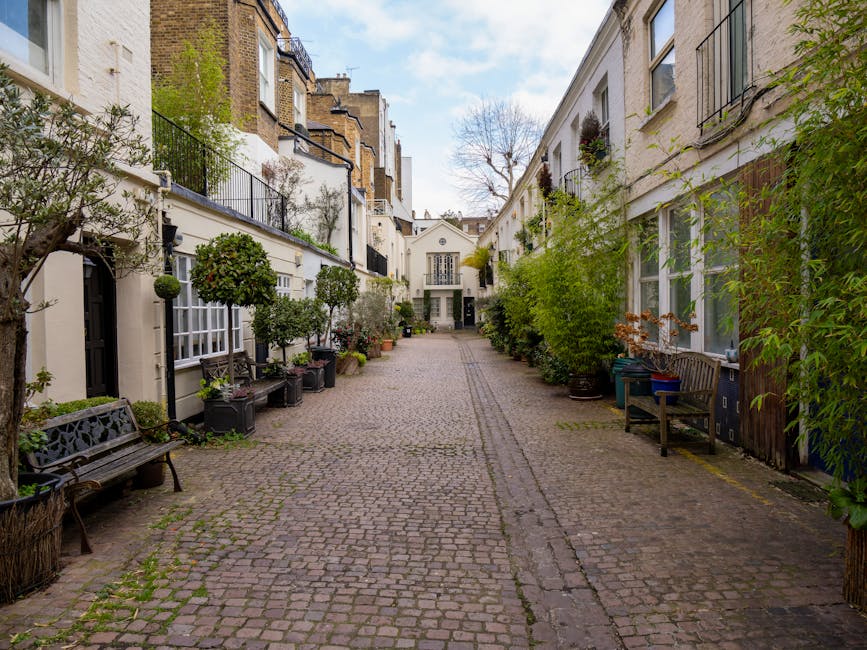
Small garden access can turn a simple bit of maintenance into a proper puzzle. If you are dealing with narrow side paths, tight front entries, basement steps, shared hallways, awkward back gates, or a garden hidden behind a mews-style layout, you will know the feeling: the work itself may be straightforward, but getting the tools, waste, and people in and out is the tricky part. That is exactly why common problems with small garden access for Paddington gardeners matter so much. The access issue shapes what can be done, how long it takes, what equipment is practical, and even how tidy the result will be at the end.
In Paddington, where properties often sit close together and space is at a premium, access limitations are rarely dramatic-but they are persistent. A bit of planning helps a lot. A sensible approach can save time, reduce disturbance to neighbours, and stop a minor job from turning into a day-long faff. This guide breaks down the real problems, how professionals usually handle them, and what you can do to make small-garden work smoother from the outset. If you are comparing services, you may also find it useful to look at the full services overview and pricing and quotes information before booking anything in.
Table of Contents
- Why Common problems with small garden access for Paddington gardeners Matters
- How Common problems with small garden access for Paddington gardeners Works
- Key Benefits and Practical Advantages
- Who This Is For and When It Makes Sense
- Step-by-Step Guidance
- Expert Tips for Better Results
- Common Mistakes to Avoid
- Tools, Resources and Recommendations
- Law, Compliance, Standards, or Best Practice
- Options, Methods, or Comparison Table
- Case Study or Real-World Example
- Practical Checklist
- Conclusion
- Frequently Asked Questions
Why Common problems with small garden access for Paddington gardeners Matters
Access is one of those things people only really notice when it goes wrong. In a small Paddington garden, it can affect nearly every stage of the job. A hedge trim becomes slower if clippings must be carried through a narrow passage in multiple bags. A clearance job becomes noisier and messier if waste cannot be moved out in larger, cleaner loads. Even routine lawn care can be complicated if there is only a slim side route or a shared corridor that must be kept clear.
Why does this matter so much? Because access changes the practical shape of the work. It changes the equipment choice. It changes crew size. It changes how waste is removed. It can even influence whether a job is possible in one visit or needs a phased approach. To be fair, a lot of small gardens are perfectly manageable once the access is understood properly. But if it is ignored, you may get delays, accidental damage, frustrated neighbours, or an incomplete finish that nobody is really happy with.
For local homeowners, landlords, and managing agents, the issue is also about expectations. A gardener who knows the access constraints can plan carefully, use the right tools, and set realistic timings. That is far better than discovering halfway through that a mower will not fit, a ladder cannot be safely positioned, or a barrow cannot turn the corner. A bit of clarity up front goes a long way.
Expert summary: In small Paddington gardens, access is not a side issue. It is often the factor that decides what is practical, how tidy the job can be, and how smoothly the whole visit runs.
How Common problems with small garden access for Paddington gardeners Works
When gardeners assess access, they are usually thinking in very practical terms: can equipment reach the work area, can waste be removed without disruption, and can the team work safely without damaging the property? That assessment might sound simple, but it often involves several little checks. A narrow gate that seems fine for hand tools may still be too tight for a wheelbarrow. A steep basement stair may be usable for light maintenance but unsuitable for heavy clearance. A shared entrance may be legal to use, but awkward if there are time restrictions or resident traffic.
Common access problems generally fall into a few categories:
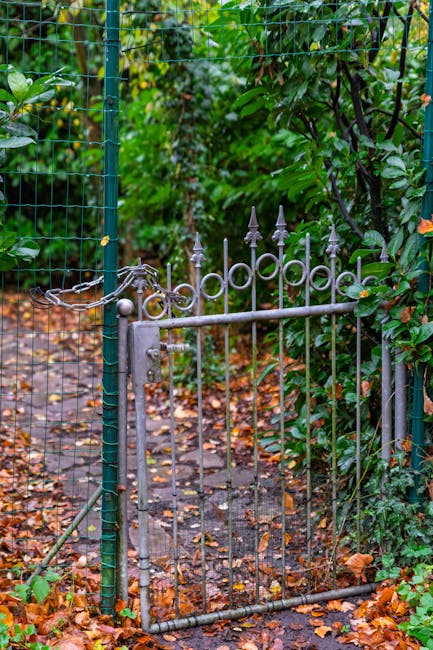
- Narrow entry points: gates, passages, or hallways that limit the size of tools or waste containers.
- Long carry distances: waste or materials must be moved by hand for a considerable stretch.
- Uneven ground or steps: making barrows, mowers, and heavy bags harder to move safely.
- Restricted turning space: awkward corners or tight courtyards reduce manoeuvrability.
- Shared access routes: common entrances, bins, or building entrances must be respected.
- Limited storage on site: tools, compost, topsoil, or materials cannot be left out in the open.
In practice, the work is usually adapted rather than refused. A gardener may bring smaller hand tools instead of larger machinery, break the job into stages, or schedule a clear-out before bringing in maintenance equipment. For jobs that involve more than routine tidying, services such as garden clearance or garden maintenance can be planned around access constraints more effectively than a one-size-fits-all visit.
And yes, sometimes the biggest issue is simply human. If there is a key handover, a locked communal door, or a resident who is out at the wrong moment, the whole job can stall for a surprisingly small reason. Gardens are funny like that-beautiful and calm on the surface, slightly chaotic behind the scenes.
Key Benefits and Practical Advantages
It may sound odd to talk about benefits in a section about access problems, but here is the thing: solving access early creates real advantages. Once the route into the garden is understood, the whole job becomes more predictable and usually more cost-effective.
- Less wasted time: crews spend more time working and less time carrying, reshuffling, or waiting.
- Better results: the right tools can be chosen from the start, which usually improves the finish.
- Reduced risk of damage: fewer bumps against paintwork, paving, doors, or shared areas.
- Cleaner worksite: waste can be bagged, staged, and removed more neatly.
- Stronger neighbour relations: less noise, less disruption, and fewer awkward surprises.
- More realistic quotes: pricing can reflect the real effort involved rather than a guess.
There is also a quieter benefit that people do not always mention: peace of mind. If you know the access has been thought through, the job feels manageable. No last-minute panic. No "we did not realise the mower would not fit" moment. That matters, especially for regular upkeep where repeated access issues can become a small but constant burden.
If your garden needs occasional pruning or seasonal clean-up, a well-planned route in and out can make even compact spaces workable. For example, a small courtyard with careful access may be perfectly suitable for hedge trimming or lawn mowing if the tools and waste handling are chosen sensibly.
Who This Is For and When It Makes Sense
This topic is relevant to more people than you might expect. It is not just for homeowners with tiny back gardens. In Paddington, access challenges show up in flats, converted houses, mews properties, garden squares, managed blocks, and rental homes where the path to the outside space is not exactly generous. If the garden is tucked behind the building, below street level, or shared with other residents, you are in the right territory.
It makes sense to think about access early if you are:
- booking a one-off tidy-up after a period of neglect
- planning a seasonal clear-out before planting or re-design
- arranging regular maintenance for a small courtyard or rear plot
- dealing with overgrown shrubs, hedges, or self-seeded growth
- considering new hard landscaping, timber features, or decked areas
- managing a rental property and need a reliable, low-disruption service
It also matters if the garden has any physical constraints that affect movement-steep steps, slippery paths, cramped storage areas, or a side passage that becomes awkward in wet weather. Honestly, even a bit of rain can make a tight access route feel twice as fiddly. Add muddy boots, a bin bag, and a hedge trimmer, and suddenly everyone is being very polite around the doorframe.
If you are unsure whether access is realistic for the work you want, speak openly about it before booking. A proper assessment may point you toward a more suitable service mix, perhaps combining general upkeep with landscape gardening or landscaping if the layout itself needs a smarter long-term solution.
Step-by-Step Guidance
Here is a practical way to handle small garden access without making a mountain out of a molehill.
- Measure the route properly. Check gate widths, corridor turns, stair widths, and any awkward corners. Do not rely on a quick glance. A tape measure is better than optimism.
- Note the surface conditions. Flag steps, loose paving, wet patches, low railings, and anything that might affect safe movement.
- Identify the heaviest or bulkiest items. Think about lawn mowers, bags of soil, hedge waste, compost, gravel, or timber offcuts.
- Decide what can stay on site and what must leave. A tiny garden may not have room for stockpiles or material storage, which changes the order of operations.
- Plan the working sequence. Sometimes pruning should happen before clearance; sometimes clearance comes first so that access opens up.
- Share access notes before the visit. Mention locked gates, shared entrances, resident-only hours, or anything that might affect timing.
- Protect indoor and communal areas. Use coverings, carry bags carefully, and avoid tracking soil through hallways or stairwells.
- Review the result and tidy the route out. A good job should leave the access path as clean as it was found-maybe cleaner.
In small spaces, sequence matters more than people think. For example, if a hedge is overhanging the route out of the garden, trimming it first can make the rest of the job smoother. If waste piles are built too early, they can box workers in. Small stuff, but it stacks up fast.
Expert Tips for Better Results
After enough work in tight gardens, a few patterns become obvious. These tips are simple, but they genuinely help.
- Choose tools for manoeuvrability, not just power. A smaller tool that can be used safely is often better than a larger one that spends half the job stuck.
- Break the job into clean stages. In cramped spaces, a tidy sequence is usually faster than trying to do everything at once.
- Keep waste management front of mind. One of the biggest delays in small-access work is not the gardening itself, but handling the waste.
- Protect edges and corners. Doorframes, painted walls, and paving corners are the places most likely to take a knock.
- Ask about frequency. A small garden that is maintained regularly is much easier to service than one left for months on end.
- Be realistic about weather. Wet leaves, damp soil, and slippery steps all make access more awkward. Not impossible-just more awkward.
For ongoing work, regular visits often reduce the access headache because there is less overgrowth, less waste, and fewer "how on earth did it get this dense?" moments. It is much easier to maintain a garden than to rescue one. That is true almost everywhere, but especially in compact urban plots.
Where timber structures or boundary features are part of the layout, some homeowners also think about decking services as a way to make a small garden more usable and easier to navigate. The design needs to be sensible, of course. Pretty is good. Practical is better.
Common Mistakes to Avoid
Small-access garden jobs usually go wrong in familiar ways. The good news? Most of them are avoidable.
- Assuming a wheelbarrow will fit. People love assuming this. Then the first turn says otherwise.
- Forgetting about waste exit. A route in is not enough if the route out becomes blocked by bags and branches.
- Overlooking indoor protection. Hallways, stairwells, and shared entrances can be damaged by muddy traffic.
- Underestimating hedge and shrub bulk. Green waste expands quickly once cut.
- Ignoring shared-property etiquette. In managed buildings, access often depends on keeping neighbours happy.
- Trying to do too much in one visit. The garden is small, yes, but the access might still slow everything down.
One especially common mistake is treating access as a detail to be sorted on arrival. That is risky. A brief conversation beforehand usually prevents the worst surprises. Another is not allowing enough time for cleanup. In small gardens, the tidy-up can take nearly as long as the cutting if waste has to be carried through the property carefully. It happens more often than people expect.
If a job has become too big for routine upkeep, it may be worth arranging a more comprehensive clean-out first, then returning to normal maintenance afterwards. That sequence often saves time and stress in the long run.
Tools, Resources and Recommendations
You do not need specialist kit to think about small garden access well. A few basic tools and habits are enough to make a big difference.
- Tape measure: useful for gate widths, passage lengths, step heights, and awkward turns.
- Phone photos or a short video: excellent for showing the route in, the route out, and the tricky bits.
- Gloves and protective footwear: sensible for anyone moving bags or clearing debris.
- Lightweight bags or tubs: better than overfilling heavy sacks that become unsafe to carry.
- Protective coverings: helpful for indoor routes, especially where soil or cuttings may be transported through shared spaces.
- Simple access notes: a short written checklist can prevent confusion on the day.
For property owners who want to keep the space manageable year-round, regular lawn mowing, hedge care, and general tidy work are often the best investment. If the garden is cluttered or overgrown, a first-pass garden clearance can reset the space and make future access much easier.
And if you are comparing providers, it helps to look beyond the headline service name. Ask how they handle waste removal, whether they can work through shared access points, and how they plan to protect indoor areas. Those practical answers tell you more than any glossy promise ever will.
Law, Compliance, Standards, or Best Practice
This topic is not mainly about law, but there are still practical standards and responsibilities worth keeping in mind. In shared buildings or managed properties, access routes often need to be used considerately. That usually means keeping noise reasonable, avoiding obstruction, and not damaging communal spaces. If a lease, building rule, or managing agent instruction applies, it should be followed carefully.
On the safety side, the general expectation is simple: work should be carried out in a way that reduces avoidable risk to people and property. That includes safe handling of tools, sensible lifting practices, and checking that steps, slopes, and narrow passages are usable before moving bulky materials. Nobody wants a twisted ankle over a bag of hedge cuttings. Very unglamorous, and entirely avoidable.
Good operators also tend to think about insurance, site safety, and waste handling in a structured way. If that matters to you, it is worth reviewing the company's insurance and safety information and, where relevant, the health and safety policy. For customers who care about how waste is handled afterwards, the recycling and sustainability approach can be a useful sign of how responsibly the work is managed.
The key point is not to overcomplicate things. Just make sure the work can be done safely, respectfully, and without creating avoidable mess or disruption. That is really the standard that matters in day-to-day garden work.
Options, Methods, or Comparison Table
Different access problems call for different methods. Here is a simple comparison that shows how small-garden work is often adapted in practice.
| Access situation | Typical challenge | Practical method | Best for |
|---|---|---|---|
| Narrow side passage | Tools and waste bags are hard to move | Use compact hand tools and smaller, more frequent loads | Routine maintenance and light pruning |
| Basement or below-street garden | Stairs and elevation make carrying harder | Stage materials carefully and reduce the weight of each carry | Clearance, planting, and seasonal tidy-ups |
| Shared entrance or hallway | Need to avoid disruption to neighbours | Protect routes, keep movements tidy, and work within agreed timings | Flats, conversions, managed properties |
| Very overgrown compact garden | Access is blocked by vegetation and debris | Clear the route first, then carry out the main work | Reset jobs and neglected spaces |
| Tight courtyard | Limited turning space and storage | Use a phased plan with minimal on-site staging | Small urban gardens and decorative spaces |
In most cases, the right approach is not about force. It is about sequencing, equipment choice, and keeping the site as uncluttered as possible. That is the real trick. Not glamorous, but it works.
Case Study or Real-World Example
Picture a small rear garden off a Paddington terrace. The space itself is lovely enough-nothing huge, but enough room for pots, a strip of lawn, and a dense hedge along the back. The problem is access. The only route runs through a narrow side passage, then down two steps, then around a tight corner near the bins. On paper, it sounds manageable. In real life, it is exactly the kind of layout that slows people down.
In a situation like this, the smartest first move is often to clear the route before any major work starts. Cut back the hedge where it narrows the passage. Remove loose debris. Bag waste in smaller loads rather than trying to move oversized bundles. Keep tools close to hand and avoid leaving them across the only usable path. That kind of orderliness sounds obvious, but you would be surprised how often it gets skipped.
What usually happens next is simple: the job feels calmer. The team can move without constantly stepping over something. The homeowner is not worried about damage to the shared entrance. Waste comes out in tidy stages instead of one giant last-minute scramble. By the end, the garden looks better and the access route is still intact. That is the ideal, really.
For more structural or design-heavy changes, a layout review may suggest small improvements like better paving, a clearer path line, or a more suitable decked section. In those cases, landscape gardening or broader landscaping support can make a long-term difference rather than just solving the immediate problem.
Practical Checklist
Before booking work for a small-access garden in Paddington, run through this checklist.
- Measure gate widths, steps, and the tightest turns.
- Check whether tools and waste can move through the route safely.
- Identify shared entrances, hallways, or neighbour-sensitive areas.
- Decide whether the job is maintenance, clearance, or a mixed task.
- Flag any overgrowth that blocks access and should be cut back first.
- Ask how waste will be bagged, carried, and removed.
- Confirm whether any indoor areas need protection.
- Share access times, keys, or entry instructions in advance.
- Be realistic about weather, especially if steps or paving can become slippery.
- Ask about insurance, safety, and sustainability practices if those matter to you.
Quick takeaway: if the access route feels awkward to you, it will probably feel awkward to the gardening team too. Saying so early is helpful, not awkward. It saves time and usually leads to a better job.
Conclusion
Small garden access in Paddington is rarely a dramatic problem, but it is often the thing that decides whether a job feels smooth or stressful. Narrow passages, shared hallways, steps, tight turns, and awkward waste removal all change the way the work needs to be planned. Once you understand those constraints, though, the whole picture becomes much clearer.
The main thing to remember is this: access problems are manageable when they are identified early. With the right sequence, the right tools, and a realistic plan, even a compact or awkwardly arranged garden can be maintained properly. That is the good news. You do not need a huge plot to get good results. You just need the job thought through properly.
If you are weighing up next steps, it may help to revisit the company's about us page, check the available services overview, or review pricing and quotes so you can make a confident decision without rushing it.
Get a free quote today and see how much you can save.
Frequently Asked Questions
What are the most common access problems in small Paddington gardens?
The most common issues are narrow gates, limited side passages, steps, shared entrances, and not enough turning space for tools or waste. Those are the usual suspects, really.
Can gardeners still work in a very small or awkward garden?
Often, yes. The job may just need smaller tools, more careful staging, and a different approach to waste removal. A garden does not need to be spacious to be workable.
Why does access affect garden quotes?
Because access changes the time, effort, and equipment needed. If waste has to be carried by hand through a long route, that is more labour than a simple open-access job.
Should I measure my gate or passage before getting a quote?
Yes, that is one of the best things you can do. A quick measurement and a couple of photos usually help a lot more than trying to describe the space loosely.
What if my garden is behind a flat or through a shared hallway?
That is common in Paddington. Just mention it early, along with any timing rules or building instructions, so the work can be planned around the shared route respectfully.
Is garden clearance harder than regular maintenance in a small-access space?
Usually, yes, because there is more waste to move and more chance that the route becomes blocked. Regular maintenance is typically easier to manage than a full clearance.
Can narrow access damage my home or communal areas?
It can if the route is not protected properly. Good gardeners should take care with floors, walls, corners, and doorframes, especially in shared or indoor access routes.
What should I tell the gardener before they arrive?
Tell them about gate widths, steps, locked doors, shared access, parking limits, awkward corners, and anything that could affect moving tools or waste. The more honest the brief, the better.
Do small gardens need special equipment?
Sometimes, yes. Smaller hand tools, lighter bags, and compact mowing equipment are often more practical than larger machines in tight spaces.
How can I make future visits easier?
Keep paths clear, trim back growth before it blocks access, and arrange regular maintenance rather than letting the garden get heavily overgrown. Small, steady upkeep makes a big difference.
Is it worth improving the access route itself?
If the garden is used regularly, sometimes yes. Better paving, a clearer path line, or a more usable decked area can reduce long-term hassle and make maintenance much simpler.
What is the best first step if I am unsure about my access situation?
Walk the route yourself, take measurements, and gather a few photos. Then speak to a gardener before booking. That simple check can prevent most of the avoidable problems.